
Yoanne Clovis, PhD | Scientific Narrative Strategist
"A fragmented narrative will cost you credibility, funding and FDA trust."

WHY I BUILT THIS PRACTICE
I kept seeing the same problem.
Brilliant science. Fragmented story.
Clinical said one thing. Commercial said another. Medical Affairs was chasing three versions of the same data. And when the advisory board, the investor meeting, or the partner conversation arrived, the cracks became visible at exactly the wrong moment.
I founded this practice to build the architecture that prevents that. Not after the fact. Before the room.

BACKGROUND
A scientist who stayed in the building.
I did my PhD in Neurobiology and Molecular Biology at the Italian Institute of Technology (IIT) in Genova. Then I spent more than a decade inside US biotech operations: in the lab, in the leadership meetings, in the agency debriefs, and at the table where the story either holds or falls apart.
That trajectory matters because I am not translating science from the outside. I am working with it from the inside, across Clinical, Regulatory, Medical Affairs, and Commercial functions simultaneously.
I am French-born, Italian-raised, and US-based. That background gives me a specific advantage with European biotechs approaching US-facing milestones, where the narrative problem compounds: the science has to be restructured for American audiences without losing the rigor that makes it credible at home.
|
PhD Neurobiology & Molecular Biology |
10+ Years in US biotech operations |
6 Languages |
5 Countries lived and worked in |
HOW I THINK ABOUT THE ROOM
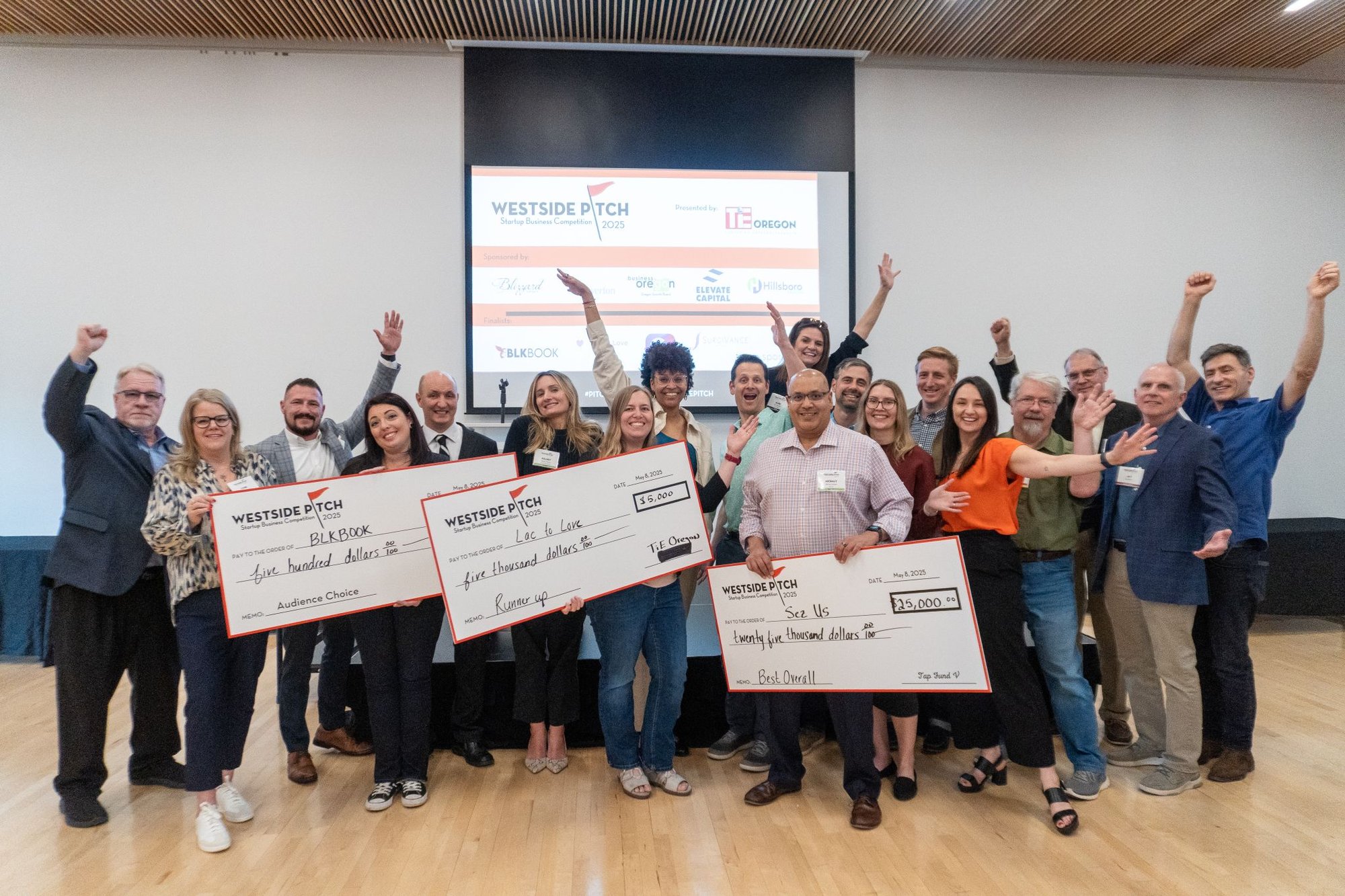
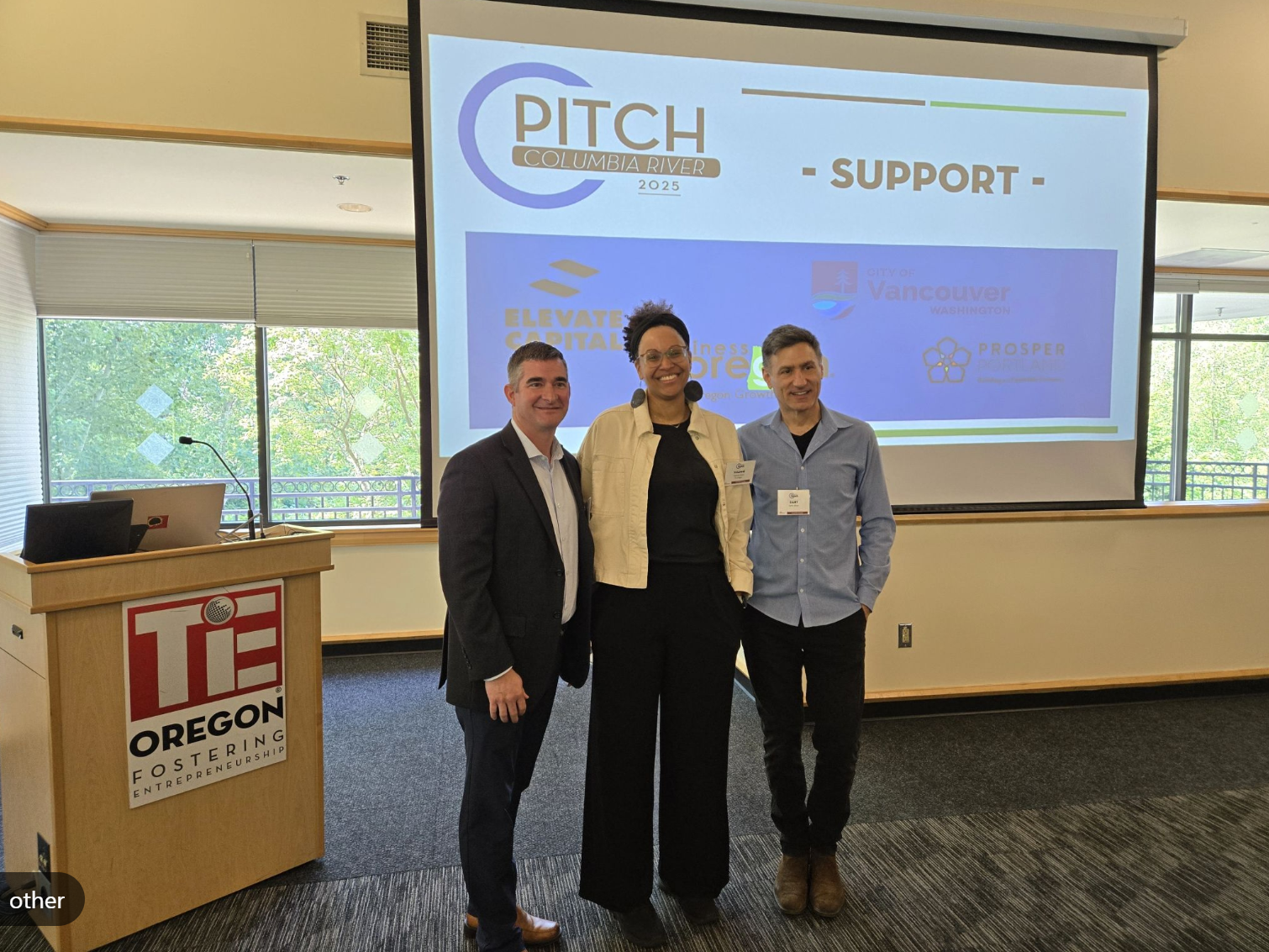
I have been on both sides of the table.
Most people who help companies tell their story have only ever been on one side. They know how to build the deck. They have never sat in the room deciding whether to invest.
I have done both.
Before focusing exclusively on pre-commercial biotech, I coached founders through investor pitches across product categories with nothing in common except the core problem: complex science, skeptical audience, one shot to make it land. I also served as a judge and investor evaluator, sitting in post-pitch due diligence discussions and watching what questions get asked when the founder leaves the room.
That experience shapes how I work now. I do not build narrative from the inside out, starting with what the science team wants to say. I build it from the outside in, starting with what the people in that room need to hear before they can say yes.
When a CMO tells me the KOL asked a question at the advisory board that nobody expected, or a CEO says three people gave three different answers in the partner meeting, I am not hearing a communication problem. I am hearing the exact pressure point that investor and partner due diligence exploits.

METHODOLOGY
Three phases. One version of the story.
Every engagement starts with DIAGNOSE, regardless of tier. You cannot build something that holds until you know exactly where it is breaking.
DIAGNOSE
-
Stakeholder interviews
-
Document review
-
Proprietary Narrative Coherence Assessment that maps where the story fragments across functions and what each fragmentation costs you at your next high-stakes moment.
BUILD
-
Unified positioning framework,
-
Messaging architecture by audience,
-
Narrative Playbook that becomes your single source of truth.
-
Built with your Clinical, Regulatory, Medical Affairs, and Commercial teams, not imposed on them.
PRESSURE-TEST
- Simulated advisory board Q&A,
- investor due diligence rehearsal,
- Partner meeting preparation.
- If the story holds under pressure here, it holds in the real room.
Companies I've worked with







WHO I WORK WITH
Phase II-III pre-commercial biotech approaching an inflection point.
The companies I work with have typically raised $30M to $150M, have 30 to 150 people, and have a CMO, Head of Medical Affairs, and a Commercial or BD hire in place. They are 3 to 6 months out from an advisory board, a Series C, a partner due diligence process, or a pivotal data readout.
They have strong science. What they do not have yet is one version of the story that every function can tell consistently, under pressure, to skeptical audiences.
That is the problem I solve.
If that describes your situation, the right starting point is a 20-minute conversation.

Take The Narrative Risk Assessment
Will All Functions Give
One Answer Under Pressure?
A 3-minute self-assessment for pre-commercial biotech leaders. Before partners, KOLs, or investors find the gap first.
Five questions. Each one targets a specific coordination risk that surfaces when cross-functional teams face external scrutiny. Your results show where Clinical, Regulatory, Medical Affairs, and Commercial are most likely to diverge before your next milestone.
Your Results
Breakdown by Area
This assessment was developed by Yoanne Clovis, PhD, for pre-commercial biotech leaders. It identifies the most common cross-functional coordination patterns that surface in Phase II and Phase III organizations under external scrutiny.